
A pigment direct to fabric printer is the go-to choice for teams who want a simpler, more scalable digital textile workflow – especially when sustainability messaging (lower water use, fewer wet processes) matters as much as speed.
Pigment is popular because it’s often closest to a one-step pigment workflow: print, heat-fix, finish, without the steaming and washing that many dye-based systems require. That simplicity can translate into faster lead times, easier staffing, and a cleaner factory story.
If you’re evaluating production-ready systems, start by browsing digital printers for fabric on Fluxmall.
Pigment textile printing: What a pigment direct to fabric printer actually does
Pigment textile printing uses pigments (color particles) held on the fabric surface by a binder system, then fixed by heat. In production terms, pigment is less about “deep dyeing the fiber” and more about creating a durable, controlled ink layer that survives wash and wear when the workflow is executed correctly.
That difference is why pigment direct to fabric is frequently selected for factories that want:
- Simpler process control.
- Consistent day-to-day output.
- Scalable workflows without heavy wet-processing infrastructure.
A useful way to think about it is “production friction.” Pigment reduces friction by reducing steps and dependencies outside the print line.
One-step pigment workflow: Why teams choose pigment
A one-step pigment workflow is appealing because it reduces the number of stations that can become bottlenecks. In many plants, the slowest step isn’t printing; it is everything around it.
Pigment direct to fabric workflows tend to be attractive when you want to:
- Shorten the time from design approval to bulk meters.
- Run smaller MOQs profitably (without restarting a wet-process line).
- Keep production stable across shifts with fewer specialist roles.
Here’s a simple comparison that helps production teams choose direction:
| Workflow factor | Pigment workflow | Dye-based workflows (common in reactive/acid/disperse setups) |
|---|---|---|
| Typical process complexity | Lower | Higher |
| Main fixation method | Heat fixation and finishing | Often includes fixation and washing/after-treatment |
| Factory dependency | Lighter infrastructure | More finishing infrastructure and controls |
If your team is planning the line beyond the printer, especially fixation and drying, Fluxmall’s industrial dryer equipment category will help you with this.
Soft hand feel: What to expect on real products and how to keep it premium
Pigment can deliver a soft hand feel, but you should set expectations correctly: hand feel depends heavily on coverage level, fabric structure, and finishing discipline.
What operators typically observe in production:
- On light-to-medium coverage designs, hand feel can be very acceptable, especially on stable woven fabrics and well-prepped cotton.
- On heavy solids or high ink-load areas, pigment can feel slightly more “on the surface” than dye-based methods because the binder layer is doing more work.
The practical lever is not “useless pigment.” It’s controlling the variables that make pigment feel heavier:
- Fabric preparation (lint, oils, coatings)
- Print mode / laydown strategy
- Heat fixation conditions
- Finishing (calendering/softening where appropriate)
If your team needs better process control and repeatability for production color and profiles, Fluxmall’s neoStampa RIP overview is a helpful reference point for how industrial RIP workflows support consistent output.
Fastness: The basics you must control for wash and rub performance
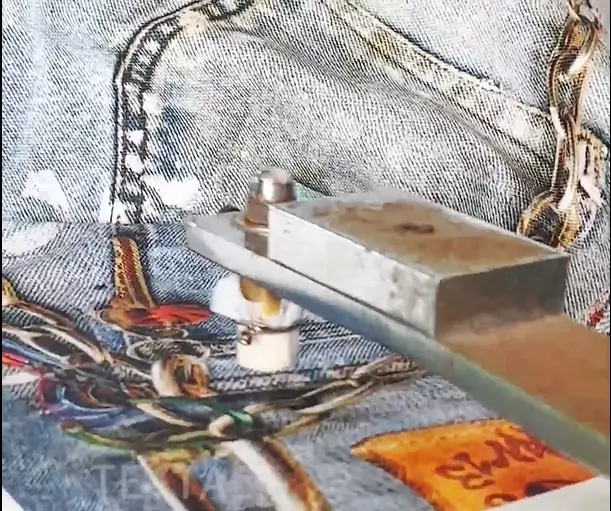
When buyers say “fastness,” they usually mean two things: wash fastness (does it hold after laundering?) and rub fastness (does it crock onto other materials?). With pigment, success in fastness comes down to consistent fixation and finishing.
Key realities production teams should plan for:
Fixation is non-negotiable.
If heat fixation is uneven, fastness becomes uneven. That’s when you see “random failures” across a roll even when the print looks fine out of the machine.
Rub fastness is the usual stress test.
Because pigment sits closer to the surface, rub performance is sensitive to under-fixation, insufficient finishing, or fabric surfaces that shed fibers.
Coverage changes everything.
Fastness on a light graphic and fastness on a heavy solid are not the same job. If your product mix includes large solid areas, test those first and lock the recipe.
The simplest way to stabilize fastness is to treat fixation like a production station with defined pass or fail checks, not a “final step we do when we have time.”
Sustainable textile printing: Where pigment fits best in a factory portfolio
If your priority is sustainable textile printing messaging and easier operations, pigment direct to fabric is often strongest in these use cases:
- Home textiles and décor fabrics where stable output and fast turnaround matter
- Fashion programs with frequent design changes where process simplicity reduces delays
- PSPs running mixed orders where predictable workflows beat complex changeovers
- Sampling-to-bulk pipelines where you want consistent color behavior from pilot to production
Pigment direct to fabric workflow is also a strong choice when your factory wants a clearer sustainability narrative around streamlined processes, especially compared to workflows that require more wet finishing.
For teams comparing methods at a factory level, Fluxmall’s guide on choosing the right printing method for your factory can help align pigment vs other approaches with real constraints (product mix, staffing, utilities, scaling).
Pigment direct to fabric printer: How to choose the right system direction
When you shortlist a pigment direct to a fabric printer, don’t start with the headline speed. Start with what keeps production stable.
1) Your fabric reality
What do you print most: cotton woven, cotton knit, blends, or specialty coated textiles? Pigment can work across many categories, but consistency depends on preparation and finishing compatibility.
2) Your finishing capability (or the finishing you’re willing to add)
If you’re serious about fastness and premium feel, fixation and finishing are part of the “system,” not optional accessories.
3) Your quality target
Define what matters most: soft hand feel, rub fastness, wash durability, or color vibrancy. Then test the hardest product you sell (not the easiest).
4) Your throughput KPI
Measure the right output: finished, rewound, QC-approved meters per hour, including fixation and finishing. That’s how you avoid buying a fast printer that creates a slow factory.
If you’re ready to compare production options and spec packages, use Fluxmall’s fabric digital printers highlight to shortlist systems, then structure demos around your fabric, your designs, and your fastness requirements.
Contact us now to find out more about pigment direct to fabric printer and how to run them in your apparel business!